The Blog
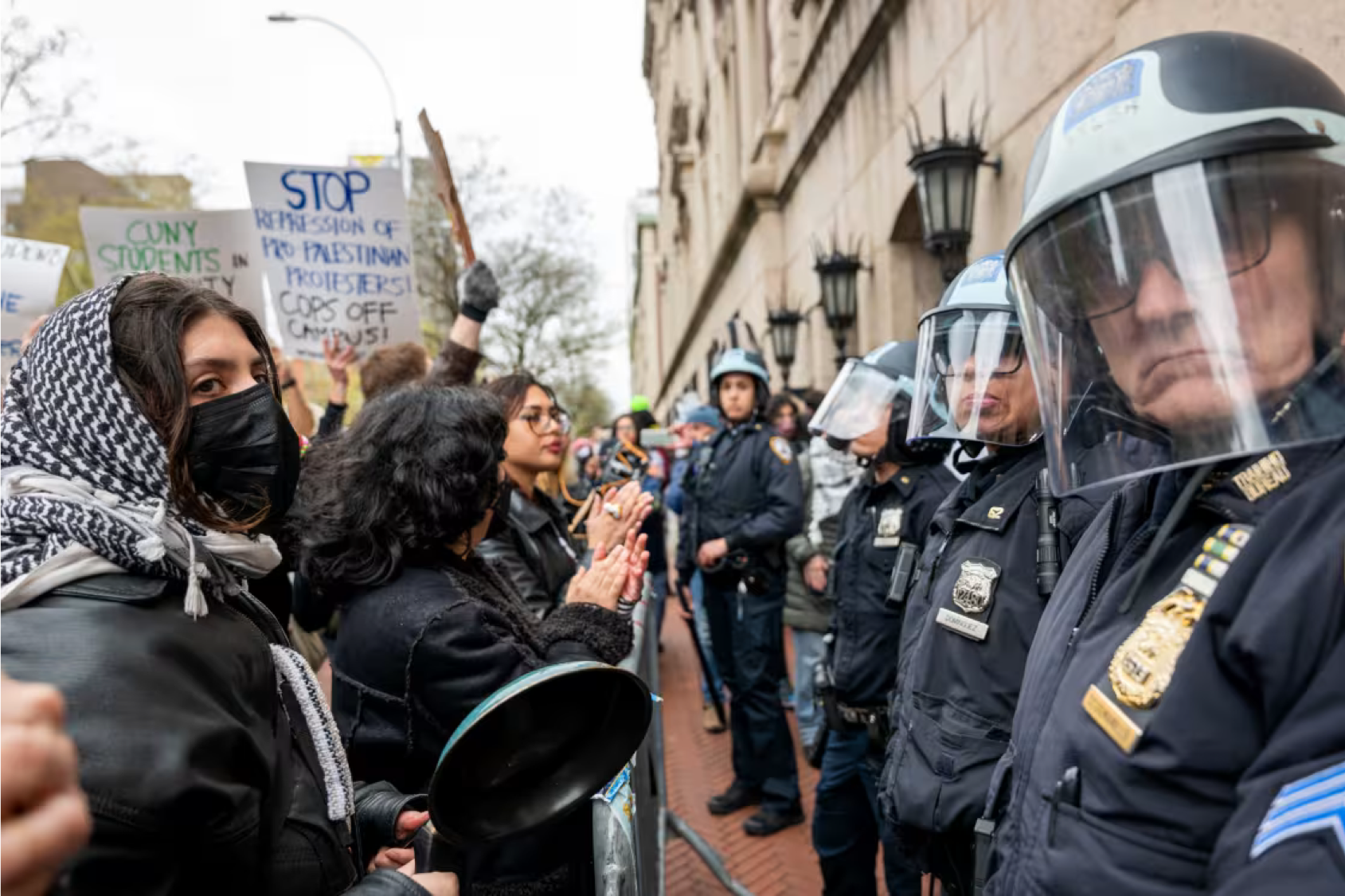
Following the spread of encampments on college campuses in solidarity with the Palestinian liberation movement in the Spring semester of 2024, many colleges and universities put in place strict restrictions on protest. Student activists don’t have to simply accept this atmosphere of growing repression though. There are ways to organize and protest against it. Indeed, the freedoms of students that are now under attack are not something that have always been part of college life. Student activists of the New Left in the 1960s worked to transform colleges into more open spaces, creating many of the freedoms students until recently often took for granted.
September 22, 2026
There are many popular misconceptions about student activism. Too many political “leaders,” journalists, and social commentators take a patronizing view of student activism (and often of social justice activism more broadly). At best, they see student activists as well-intentioned but naïve, and their social justice advocacy as something they will grow out of as they get older and wiser. Decades of sociological research show that these condescending beliefs are false. Students are more likely to engage in activism not because of youthful foolishness, but because they are the most likely of any age group to have the free time to do so. Student activists’ position on college campuses puts them in a place where they have more opportunities for success as a social movement than many other movements do. And this gives student activists a chance to break new ground in changing social norms and structures in the wider society, using college campuses as beachheads of progressive change.